Double glazing prices by house size
The quickest way to sanity-check a whole-house quote is to compare it against homes like yours. Below are indicative double glazing costs by property size — from a one-bed flat to a large detached — along with the things that nudge your figure up or down.
Whole-house pricing is driven mostly by the number and size of windows, then by the frame material and glazing spec you choose. A 3-bed semi with eight or nine standard casements is a very different job from a detached home with fifteen large openings and a couple of bays. Use the table to place your home, then adjust for anything unusual.
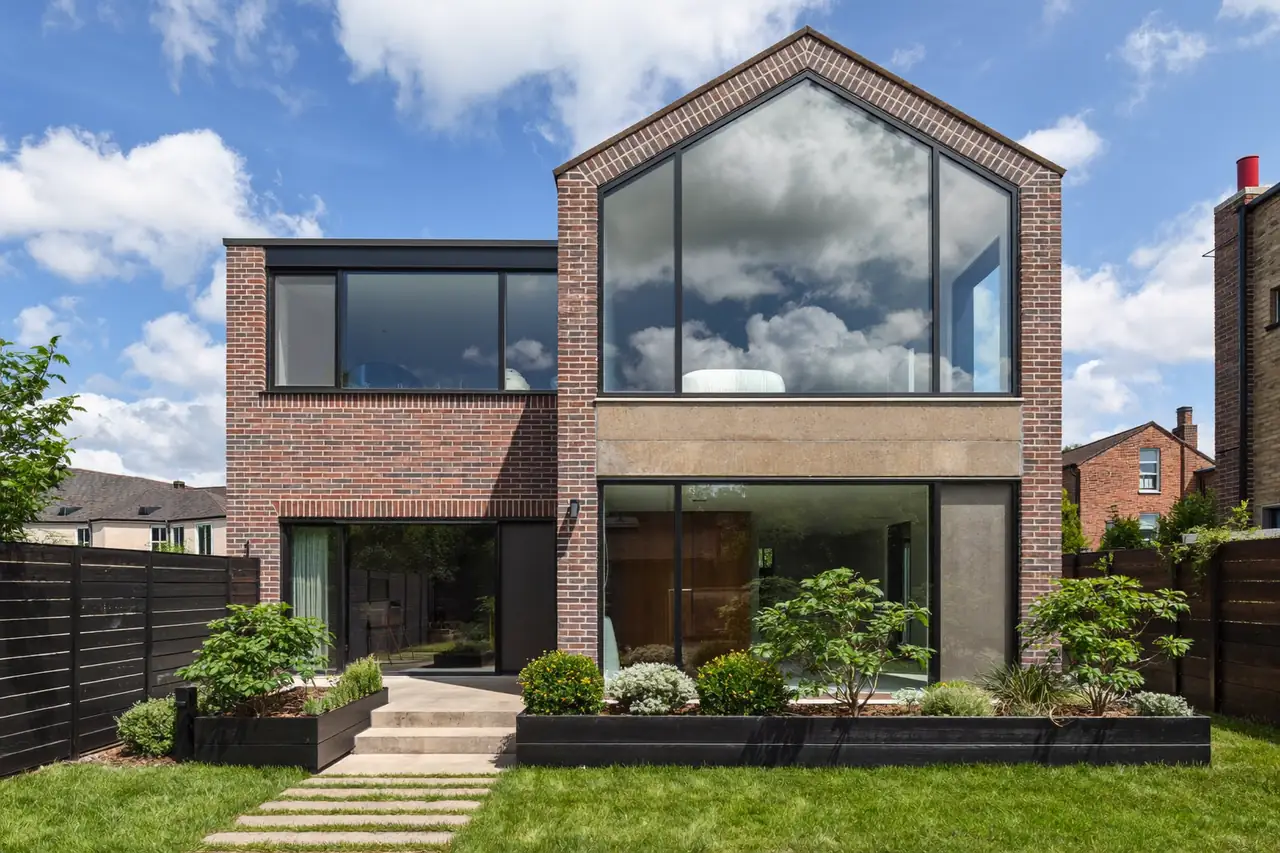
Indicative whole-house ranges
Based on standard uPVC double glazing, supplied and fitted. Indicative only — not a quote or savings figure.
| Property | Typical windows | Indicative range |
|---|---|---|
| 1–2 bed flat | 4–6 | £2,000–£4,500 |
| 2–3 bed terrace | 6–8 | £3,000–£6,500 |
| 3 bed semi | 8–10 | £4,000–£8,000 |
| 4 bed detached | 10–15 | £7,000–£15,000 |
Choosing aluminium or timber-alternative frames, adding bays, or upgrading the glass can lift these figures noticeably. For the single-unit detail behind them, see our cost per window ranges.
Find out where your home lands.
Fund my windows →What changes the final price
- Window count and size: the biggest driver — more glass and more openings means more materials and labour.
- Bays and special shapes: a bay counts as several units plus a structural head, so it lifts a whole-house total.
- Frame material: uPVC keeps costs down; aluminium and timber add a premium.
- Access: three-storey terraces and tall detached homes may need scaffolding.
- Doors bundled in: adding a front or patio door to the same job changes the total but often improves the per-item price.
If your home has a bay, price it separately using our bay window replacement cost guide, then add it to the base figure above.

Comparing quotes fairly
When you gather quotes, check they cover the same window count, the same material and glazing spec, and the same making-good afterwards. A cheaper headline number can hide a thinner spec or extras added later. To keep it fair, we can get matched with window installers who quote to a consistent brief for your property.
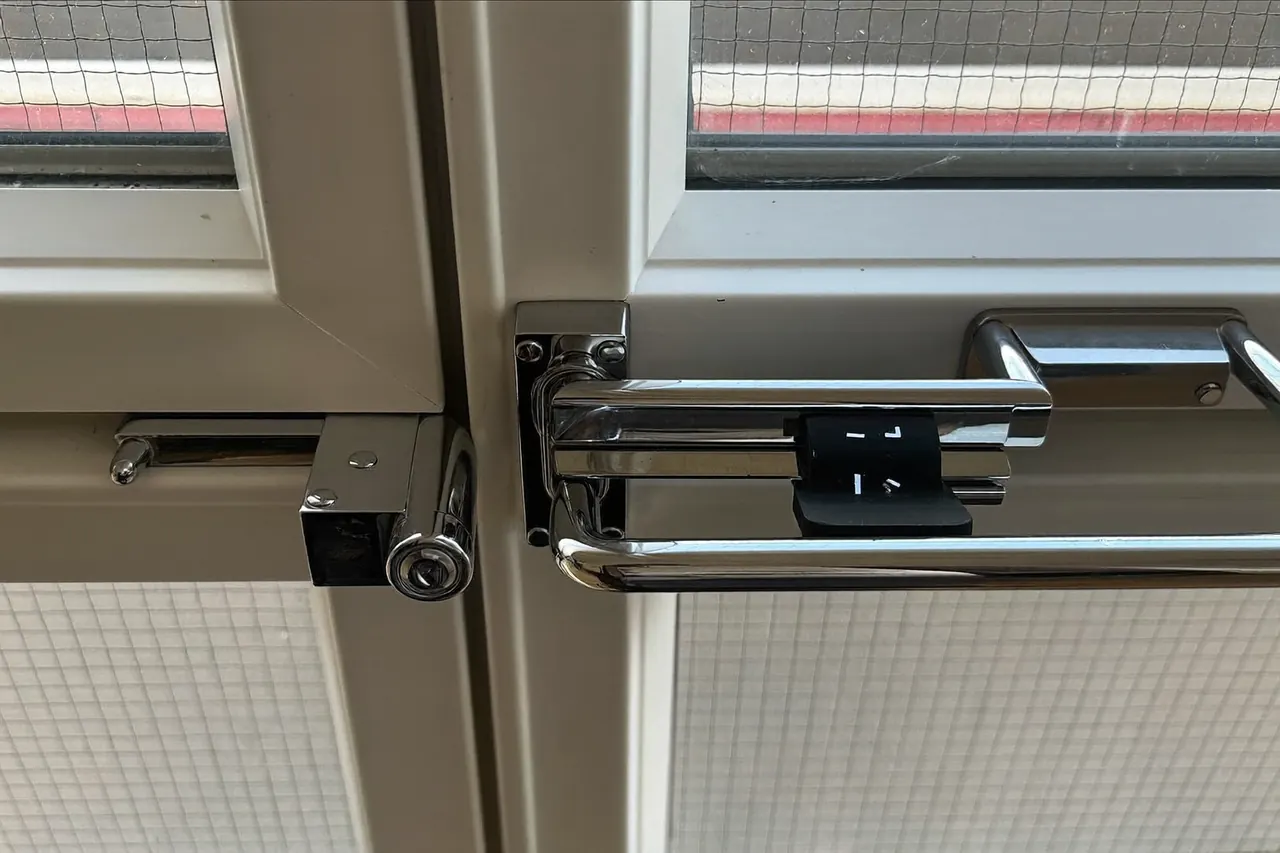
Spec matters as much as size, so it is worth knowing which window materials give best value for a whole-house job. And if the total feels steep, funding and contribution options may be available, subject to eligibility and a home survey — see ways to spread the cost.
One go or phased?
Replacing every window in one visit usually gives the best per-unit price, because the installer only sets up, scaffolds and clears away once. If the whole-house figure is more than you want to commit to now, phasing the work — worst windows first, the rest later — spreads the outlay across your own timescale, though you may pay a little more overall. Either way, doing a full elevation together tends to look neater and price better than a single window here and there, so it is worth grouping openings on the same wall where you can.
Get a whole-house price you can trust.
Fund my windows →