Window replacement cost guide (2026)
New windows are one of those jobs where the price stays a mystery until someone hands you a number. This guide sets out what a window replacement really costs in the UK in 2026, what pushes the figure up or down, and how to sketch a realistic budget for your own home before you speak to anyone.
Every home is different, so treat the numbers here as indicative rather than a quote. The only way to know your price is a measured survey. That said, once you understand the handful of things that move the total, the figures below will get you surprisingly close — and stop you being talked into a price that does not add up. You can start any time on the Fund My Windows homepage.
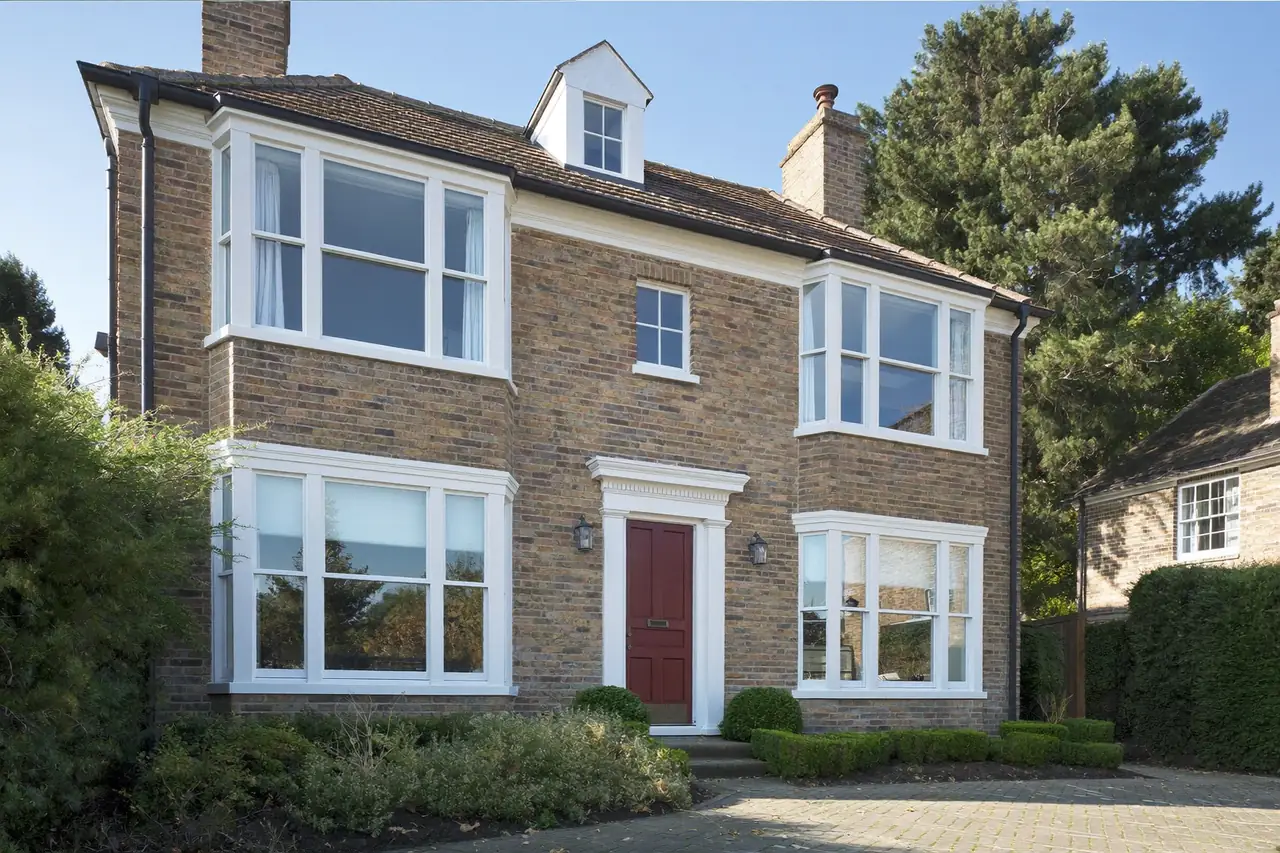
What shapes the price
Six things do most of the work in any window quote:
- How many windows you are replacing — the biggest single lever.
- Frame material — uPVC is usually the most affordable, with aluminium and timber (or timber-alternative) costing more.
- Glazing spec — standard double glazing, or upgrades such as low-emissivity coatings, argon fill, acoustic glass or triple glazing.
- Window style — a simple casement is cheaper than a sash, bay or tilt-and-turn.
- Size and access — large or upper-floor openings may need scaffolding, which adds labour.
- Finish — coloured or woodgrain frames, astragal bars and decorative glass all add a little.
For a full breakdown of each factor, see what affects window prices. If you are weighing up frame types, it is worth reading up on which window materials give best value before you commit.
Indicative UK cost ranges
These are ballpark ranges to set expectations only — not quotes, offers or savings figures.
| Project | Typical indicative range |
|---|---|
| One uPVC casement window | £400–£850 |
| Sash-style window (timber-alternative) | £700–£1,400 |
| Bay window replacement | £900–£2,000 |
| Whole 3-bed semi (8–10 windows) | £4,000–£8,000 |
| Whole detached (10–15 windows) | £7,000–£15,000 |
To go deeper, see the cost per window ranges and our page on double glazing prices by house size.
Want real numbers for your home instead of a range?
Fund my windows →Repair or replace?
Not every tired window needs replacing. But persistent draughts, condensation trapped between the panes, frames that have rotted or warped, and windows that stick or will not lock are all signs the units are past their best. If you are unsure, this rundown of the signs your current windows are failing is a good sanity check before you spend anything.
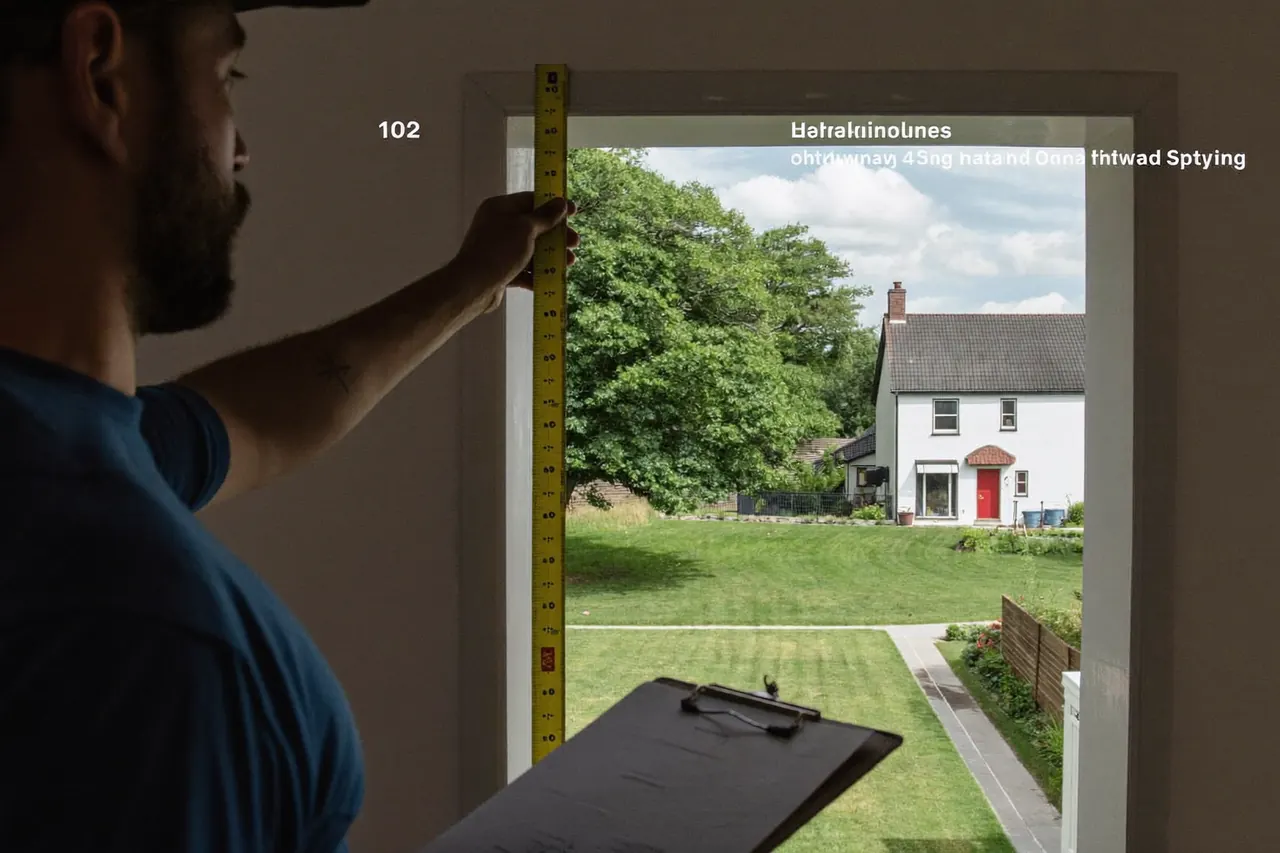
How to budget
A quick rough method: count your windows, multiply by a mid-range per-window figure, then add a buffer for any bays, awkward access or finish upgrades. Our window cost calculator guide walks through worked examples so you can build a sensible estimate in a few minutes. Then get two or three written quotes so you are comparing like with like.
Paying for it
You do not always have to pay the whole cost up front. Many installers offer funding and contribution options, subject to eligibility and a home survey, and £0-upfront options may be available for those who qualify. We are not a lender and this is not financial advice — see ways to spread the cost for how these arrangements usually work.
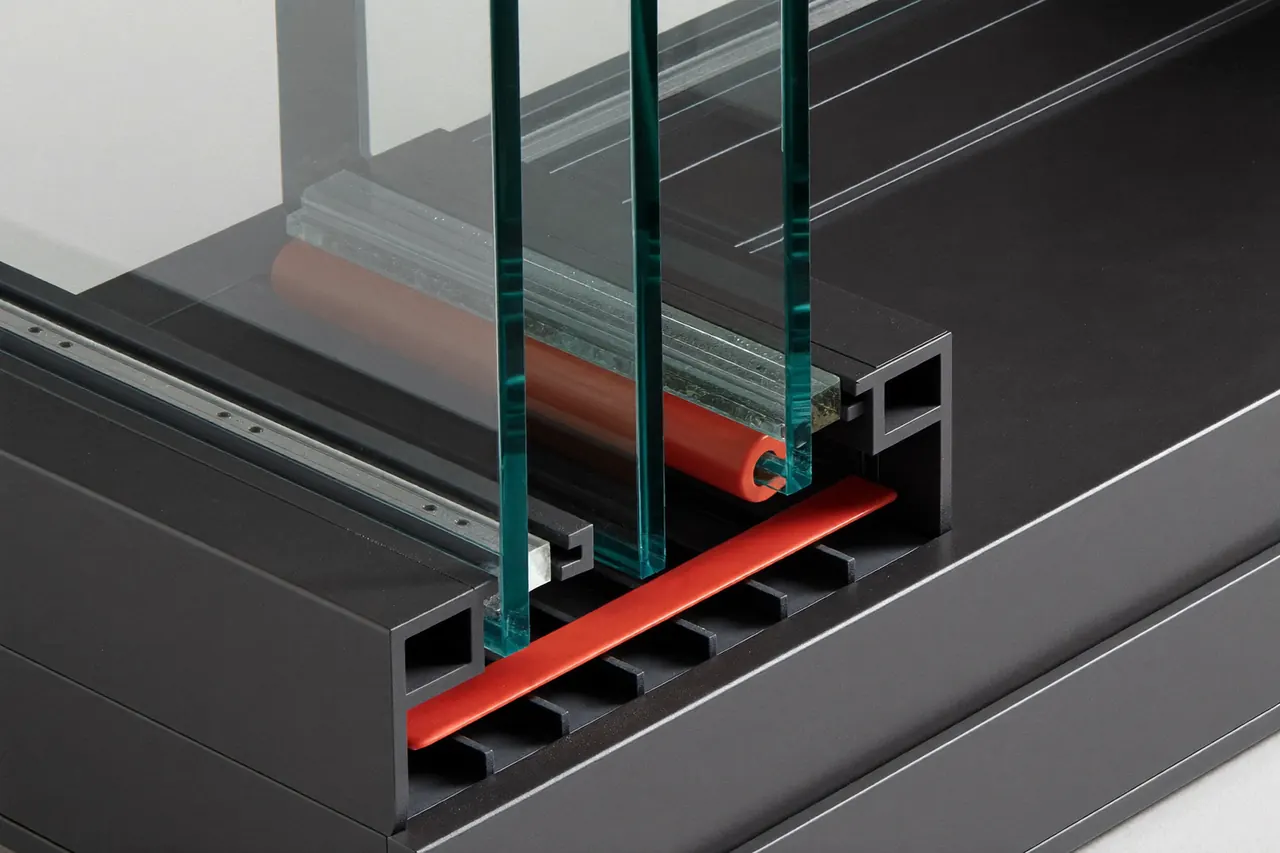
When you are ready for tailored figures, we can get matched with window installers who cover your area and work to your budget, so you can compare real quotes side by side.
See what your windows will actually cost.
Fund my windows →