How to estimate your window cost
You do not need a fancy calculator to get a sensible ballpark for new windows — just a per-window figure, a count of your openings and a few adjustments. This guide walks through the method with worked examples so you can build a realistic budget in a few minutes.
Online calculators can be handy, but they only ever give an estimate, and the good ones do exactly what we do below: multiply a typical unit price by your window count and adjust for material, style and access. The figures here are indicative — a proper price still comes from a measured survey — but this gets you close enough to plan.
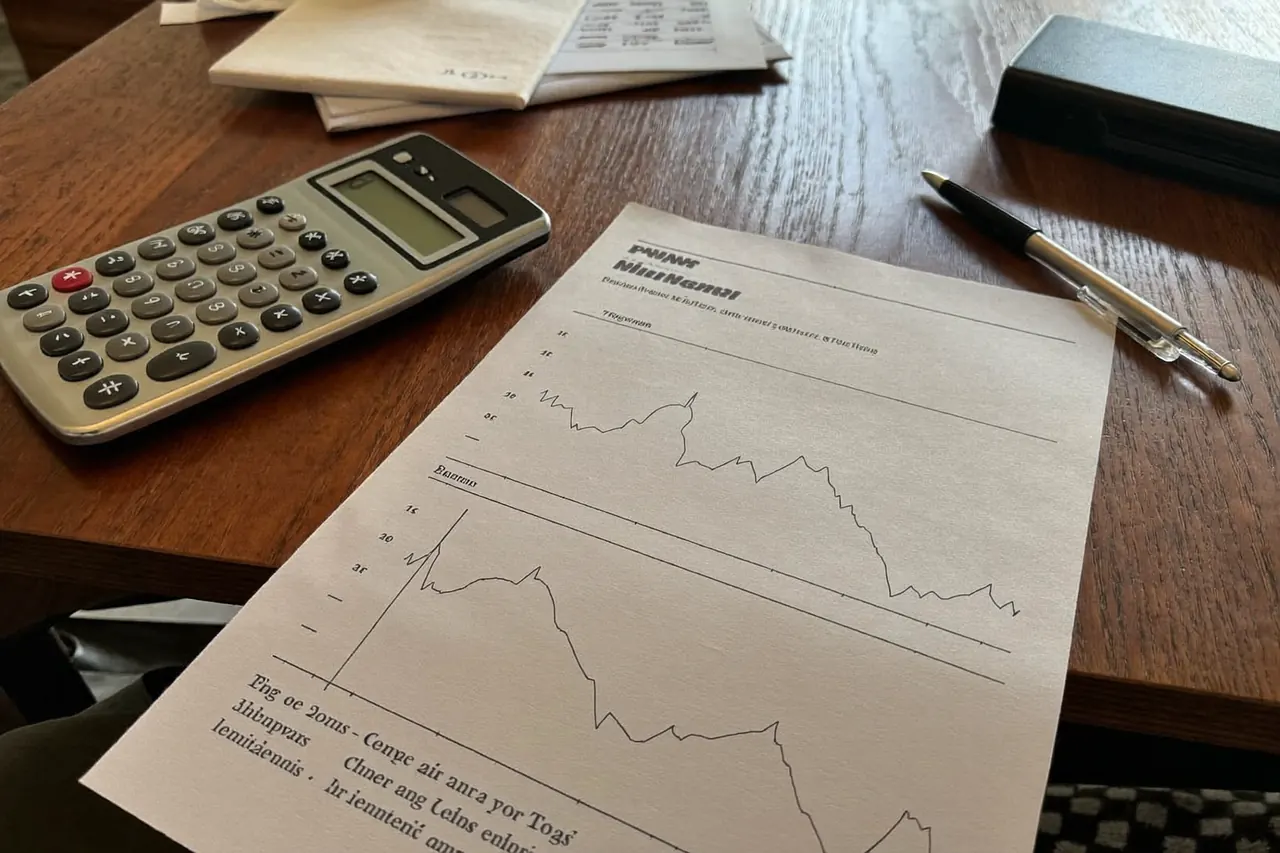
The simple method
- Count your windows. Walk round and tally every opening, noting any bays or unusually large ones separately.
- Pick a per-window figure. Use a mid-range number from our cost per window page — say £600 for a standard uPVC casement.
- Multiply. Windows × per-window figure = your base estimate.
- Adjust for material. Add roughly 25–50% if you want aluminium or timber.
- Add the extras. Bays, scaffolding for upper floors, coloured frames and special glass all lift the total.
Worked example: a 3-bed semi
Say you have nine windows, all standard uPVC casements, one of which is a small bay:
| Step | Working | Running total |
|---|---|---|
| 8 casements | 8 × £600 | £4,800 |
| 1 small bay | + £1,400 | £6,200 |
| Access buffer | + ~10% | ~£6,800 |
So a rough budget of around £6,000–£7,000 — comfortably inside the whole-house range on our prices by house size page. Indicative only, of course.
Turn your estimate into a real quote.
Fund my windows →Worked example: three windows in a flat
Three medium casements at £650 each comes to £1,950. No bays, ground floor, no scaffolding — so a budget of around £2,000 is realistic. Upgrading to acoustic glass for a noisy road would add a little per unit.
Where estimates go wrong
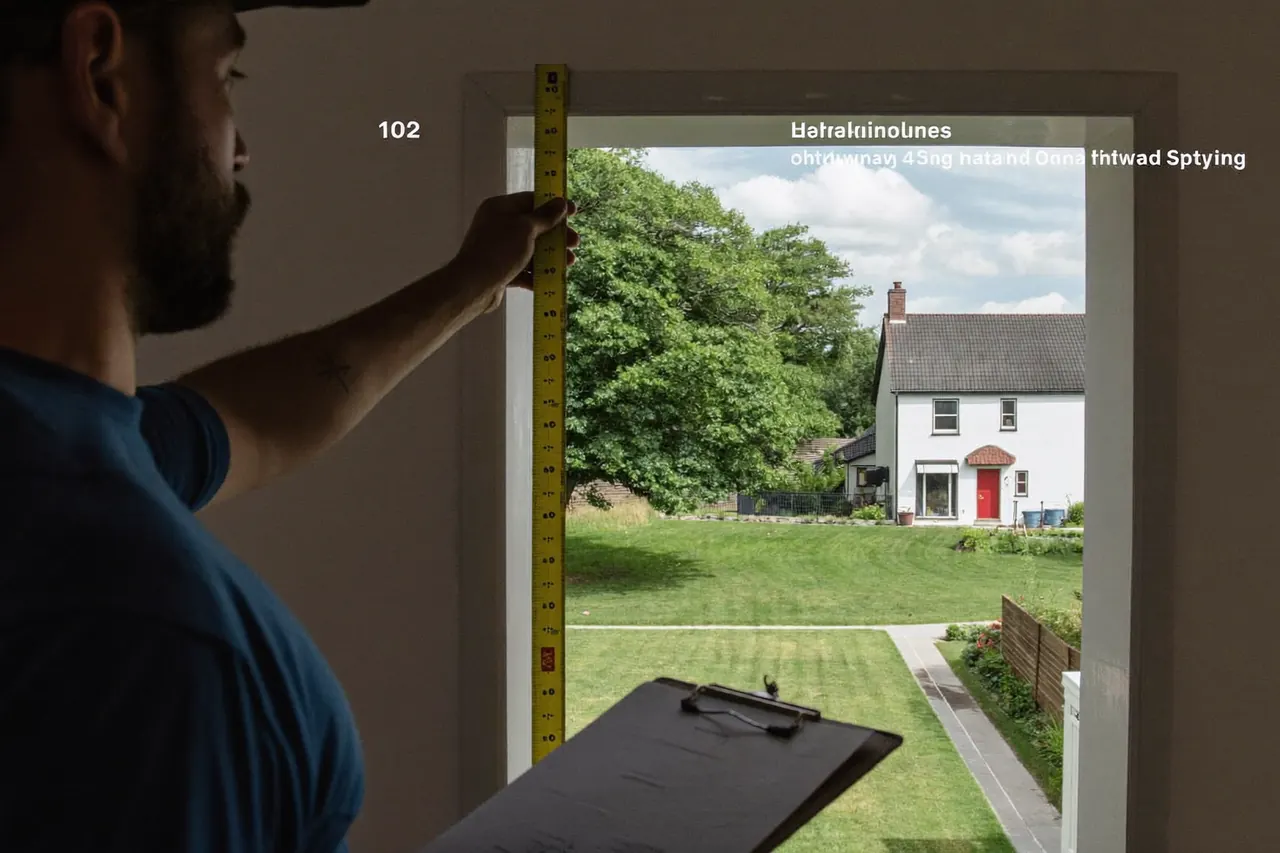
The most common mistakes are forgetting the extras — scaffolding, plastering, disposal — and assuming the cheapest per-window figure applies to every opening. Our page on hidden costs to watch for covers the ones people miss. Spec matters too, so it is worth knowing which window materials give best value before you lock in a number.
Once your estimate feels solid, the next step is real quotes. We can get matched with window installers in your area so you can check your figure against firm prices — and if you would like to spread it, see ways to spread the cost.
What an estimate cannot tell you
An estimate is a planning tool, not a promise. It cannot see the condition of your reveals, whether a lintel needs attention, or how tricky the access really is — all of which a surveyor checks in person. Treat your figure as a budget to test against real quotes, and expect the final price to move a little once someone has measured up. If two quotes come back wildly different from your estimate, that is your cue to ask what each one actually includes before you decide.
Check your estimate against real quotes.
Fund my windows →